
How to Make One-Trip Groceries Easier
You know the moment. The trunk is open, cold items are sweating, bread is in danger, and you are standing there asking yourself if this is really worth a second trip. If you have ever searched for how to make one trip groceries work, the real answer is not brute strength. It is better planning, smarter packing, and a carrying setup that does not punish your hands on the way to the door.
A one-trip grocery run sounds simple, but it usually falls apart for the same reasons. Bags are overloaded, handles cut into your fingers, fragile items get buried, and awkward shapes like paper towels or gallon jugs refuse to cooperate. The fix is not complicated. You just need a system that matches how groceries actually move from store to car to kitchen.
Why one-trip groceries are harder than they look
The biggest mistake is treating every bag the same. A bag full of cans behaves nothing like a bag of produce, and neither one should be packed like eggs or chips. When everything gets loaded without a plan, the carry becomes uneven fast. One hand takes too much weight, thin handles twist together, and the whole trip feels heavier than it should.
There is also the grip problem. Even if the total weight is manageable, plastic and rope handles concentrate pressure in a small area. That is why a few moderately heavy bags can feel worse than one properly supported load. For parents, older adults, commuters, or anyone with wrist or hand discomfort, that detail matters a lot.
And then there is distance. One-trip groceries are easier if your car is five feet from the front door. They are a different job entirely if you are walking across a parking lot, through a lobby, up steps, or from a garage around the back of the house. The longer the carry, the more organization matters.
How to make one trip groceries actually work
If your goal is to carry everything in one go, start before the bags ever reach your trunk. Success starts at checkout.
Pack by weight, not just by category
Heavy items should be distributed, not stacked into one heroic bag that becomes impossible to lift comfortably. Keep canned goods, jars, and cartons split across multiple bags so each bag stays stable and predictable. A balanced load is easier to carry and much less likely to rip or swing into your leg.
Light but crushable items need their own space. Bread, chips, soft fruit, and eggs should not share a bag with boxed drinks or canned soup just because there is room. One-trip groceries only work if the contents survive the trip.
Cold items should be grouped together when possible. This is partly about food safety, but it is also practical. When refrigerated and frozen groceries are organized in the same area of your car, you waste less time sorting at home.
Choose better bags from the start
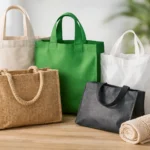
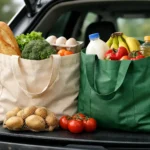
Flimsy single-use bags make one-trip carries harder than they need to be. They stretch, twist, and dig into your hands. Reusable bags with a stronger structure hold their shape better, stack more cleanly, and usually make loading your car faster too.
That said, not all reusable bags are equal. Oversized bags can tempt you to overload them, which defeats the point. The best grocery bags are strong but still realistic to carry. They should be washable, fold down easily, and handle repeated use without sagging into a mess.
Build loads around carry comfort
This is where most people miss the obvious fix. If the problem is pain from bag handles, the solution is not just stronger hands. It is reducing strain at the point of contact.
A bag-carrying tool can turn a handful of cutting handles into one more comfortable grip, which changes the whole experience. Instead of juggling separate loops that tangle and slip, you carry a consolidated load that feels more controlled. That is especially helpful when you are managing multiple bag types at once, like thin plastic, rope-handle retail bags, and reusable grocery bags.
A well-designed carrier also helps with organization. When bags stay together, items are less likely to get left in the trunk, dropped in the driveway, or tipped over on the way inside. That is a small improvement until you do groceries every week. Then it becomes a quality-of-life upgrade.
The best car-to-kitchen system is simple
If you want to know how to make one trip groceries part of your routine, think in stages instead of one giant lift.
At the store, bag with the carry home in mind. In the car, group bags by destination and fragility. At home, lift with a system that keeps handles together and weight balanced. This is less about doing more and more about removing the points where grocery runs usually get annoying.
For example, keep heavier bags closest to the trunk opening so they are the first items you grab. Put delicate items where they will not be pinned under sliding bottles or detergent. If you use insulated bags, keep them together rather than scattered around the cargo area. Every small choice cuts down the time you spend rearranging things in the driveway.
What to do with bulky items
Bulky does not always mean heavy, but it can ruin your one-trip plan if it occupies the wrong hand. Paper towels, cereal multipacks, and big produce boxes are awkward because they block movement and make doors harder to open.
The easiest fix is to assign one arm or hand to bulky items and keep your primary grip focused on bagged goods. If you try to combine everything randomly, you lose control fast. One-trip groceries should feel coordinated, not chaotic.
Know when one trip is not the same as one load
There is a difference between making one trip and carrying every item at once. If your setup lets you move all your bags in one trip with less strain, that counts. Maybe one hand has a grouped bag load and the other manages a bulky but light item. That is still efficient.
The goal is fewer awkward returns to the car, not proving something. If one giant overloaded haul leaves your hands aching and your produce bruised, it is not a smart system.
Common mistakes that make grocery carries worse
One is overfilling bags just to reduce the bag count. Fewer bags can sound efficient, but overloaded bags are harder to grip, more likely to tear, and much more frustrating to organize once you get inside.
Another is ignoring handle compatibility. Some bags have narrow handles, some have longer loops, and some collapse into each other the second you lift them. If your carrying method cannot manage mixed handle types, you end up with twisted bags and uneven weight.
A third mistake is thinking strength solves everything. Grocery frustration usually comes from pressure points, imbalance, and poor organization, not lack of effort. That is why even strong, active shoppers get annoyed by routine bag carrying.
A better setup saves more than time
People often focus on speed when they think about one-trip groceries, but comfort is just as important. Reducing finger strain, wrist pressure, and dropped items makes the task feel smaller. That matters if you shop several times a week, have stairs to manage, or are already carrying kids, keys, or a work bag.
It also makes reusable shopping easier to stick with. When your bags are stronger, easier to organize, and more comfortable to carry, sustainable habits become more practical. That is a real benefit, not just a nice idea.
This is exactly why products built for grocery carrying exist in the first place. A patented ergonomic tool like The Baggler is designed to handle multiple bag types, reduce strain on your hands, and keep bags more secure from car to kitchen. That kind of practical improvement is what turns a recurring annoyance into a task you barely think about.
How to make one trip groceries easier every week
The best routine is the one you will actually use. Keep reusable bags in your car. Pack with weight balance in mind. Group cold items. Do not overload bags just to feel efficient. Use a carrier that keeps handles from digging into your hands and tangling together.
None of this is flashy, and that is the point. Grocery carrying does not need a complicated system. It needs a smarter one.
If your current method leaves red marks on your fingers, crushed bread on the counter, or one more frustrated walk back to the car, that is a sign to change the setup, not just push through it. A better grocery trip usually starts with one simple question: how can this load work with your body instead of against it?
 Previous Post
 Next Post