
How a Bag Carrying Tool for Seniors Helps
A bag carrying tool for seniors can solve a problem that seems small until it happens every week: grocery bags cutting into fingers, handles slipping apart, and a short walk from the car becoming a painful juggling act. The right tool gathers several bags into one secure grip, helping make everyday errands feel more manageable without changing the way someone shops.
Why Carrying Grocery Bags Gets Harder
Plastic bags, thin reusable bag handles, and rope handles all concentrate weight in a very small area of the hand. When several bags are carried at once, that pressure can pull on the fingers, stress the wrist, and make it harder to keep a secure hold. Arthritis, reduced grip strength, hand pain, shoulder discomfort, and balance concerns can make the task even more difficult.
The issue is not always the total weight. A person may be able to lift a bag of groceries but still struggle with the sharp, narrow handles or the way bags twist and slide against each other. A few loose bags also require more attention. If one starts slipping, the natural reaction is to tighten the grip, which can increase discomfort and make the remaining bags harder to control.
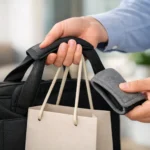
A practical carrying aid changes where the load rests. Instead of several handles pressing into the fingers, the handles are gathered onto a wider, easier-to-hold surface. That can reduce hand strain while keeping bags organized for a safer, more confident trip from vehicle to doorstep.
What a Bag Carrying Tool for Seniors Should Do
The best tool is not complicated. It should work quickly in a parking lot, fit easily in a purse, glove box, or reusable bag, and handle the types of bags a shopper actually brings home.
Start with grip comfort. Look for a broad, smooth handle that is comfortable to hold and does not create new pressure points in the palm. A design that allows a full-hand grip is often easier to manage than a small hook or narrow handle, especially for someone who has stiffness in their hands.
Security matters just as much. The tool should keep bag handles together rather than allowing them to spread, twist, or fall off during the walk. A secure closure or holder helps contain thin plastic handles, reusable fabric bag handles, and rope-style handles. This is especially useful when carrying a mix of grocery, pharmacy, and retail bags.
Strength is another non-negotiable feature. A carrying tool should have a clearly stated load capacity and durable construction. The BAGGLER, for example, is a patented bag carrier made in Maine with a 54-pound carrying capacity, designed to hold multiple common shopping bag handle styles in one organized bundle.
Durability should also fit real life. Grocery tools get tossed into car consoles, placed on checkout counters, and occasionally dropped on driveways. A sturdy, easy-to-clean material is more useful than something delicate that needs special treatment. Dishwasher-safe construction can be a welcome benefit for anyone carrying food bags or handling messy errands.
The Biggest Everyday Benefits
A good bag carrier does more than make bags easier to hold. It can improve the entire last part of a shopping trip.
First, it reduces repeated trips. Rather than carrying two bags at a time to avoid painful fingers, shoppers can group bags together and make fewer walks from the car. That saves time and cuts down on the back-and-forth that can be tiring after a large grocery run.
Second, it keeps items more controlled. When handles stay together, bags are less likely to bump into each other, drag on the ground, or fall open. This matters when carrying fragile items such as eggs, produce, bread, prescription purchases, or small household goods.
Third, it supports independence. Many older adults do not need an elaborate mobility product. They need a simple item that makes a familiar task less uncomfortable. A compact bag carrier can be one of those practical tools that stays close at hand and earns its place after every shopping trip.
Choosing the Right Design for Different Needs
There is no single best option for every shopper. The right choice depends on the person’s grip, the bags they use, and whether they need help only with groceries or with a range of daily carrying tasks.
For hand pain or arthritis
Prioritize a wide, ergonomic grip and an easy way to add or remove bag handles. Avoid designs that require pinching, twisting, or pressing a tiny latch with sore fingers. A tool should make the carry easier from the first use, not require extra hand strength to operate.
For reusable shopping bags
Check compatibility before buying. Reusable bags often have thicker fabric straps or rope handles that may not fit a small plastic hook. A versatile carrier should accommodate both thin and thicker handles, since many households bring home a mix of bag types.
For larger grocery runs
Look closely at the stated weight capacity and the shape of the handle. Capacity alone does not guarantee comfort. A carrier may hold a heavy load, but it still needs to distribute that load comfortably in the hand and keep the bag handles from slipping off-center.
For walkers, canes, or limited balance
Keeping one hand free can be especially valuable. A bag carrier can consolidate several shopping bags into one controlled hold, but users should still avoid overloading themselves. A secure tool is helpful, yet safe carrying means choosing a weight that feels stable and leaves enough control for opening doors, stepping off curbs, and moving through the home.
Use It Safely and Comfortably
Even a strong bag carrier works best when the load is packed with care. Place heavier, compact items in bags with sturdy bottoms, and avoid loading all heavy items into one bag. Spread weight across the bags so the bundle hangs evenly from the carrier.
Before leaving the car, take a moment to check that every handle is fully seated and that no bag is hanging by a single stretched loop. Keep fragile items toward the top of bags and make sure cartons, bottles, or containers are not likely to shift during the walk.
It is also smart to use the tool as a way to make fewer trips, not as a reason to carry more than feels safe. If a load feels awkward, too heavy, or pulls the arm to one side, divide it into two manageable carries. Comfort and control matter more than bringing everything inside at once.
A Small Tool That Can Make Errands Feel Lighter
The most useful products often address the annoying moments people have learned to tolerate. Tangled grocery handles, sore fingers, and dropped bags may not sound dramatic, but they can make routine shopping feel needlessly difficult.
A well-made bag carrier gives shoppers a simple way to keep bags together, reduce pressure on their hands, and bring purchases inside with less fuss. Keep one in the car, use it for groceries and retail bags alike, and let a better grip make the final steps of every errand easier.
 Previous Post
 Next Post