
How to Secure Shopping Bags Without the Strain
A bag tipping over in the trunk can turn one quick grocery stop into a cleanup job. A thin plastic handle cutting into your fingers can make the walk from car to kitchen feel much longer than it should. Learning how to secure shopping bags starts before you leave the checkout lane: choose a sensible packing order, control loose items, and carry the load in a way that keeps bags upright and handles together.
Start With a Bag That Can Hold Its Shape
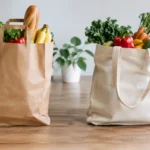
A secure bag is easier to pack, load, and carry. Thin single-use bags can work for light, soft items, but they stretch and twist under heavier loads. Reusable bags with a broad base and sturdy handles are generally the better choice for groceries, household supplies, and retail purchases.
The trade-off is that structured reusable bags take up more space than flimsy plastic bags. Foldable reusable bags solve much of that problem because they can stay in a purse, glove compartment, backpack, or door pocket until you need them. Look for washable material and reinforced stitching, especially if you regularly carry canned goods, bottles, or bulky pantry items.
Before packing, check the bottom and handles. A small tear, worn seam, or stretched handle is not a minor issue when the bag is loaded. Retire damaged bags from heavy-duty use and save them for lightweight items, if they are still usable at all.
Pack Shopping Bags for Balance, Not Just Speed
The fastest packing job is not always the most secure one. Bagging heavy and fragile items together, or filling one bag while leaving another nearly empty, creates the conditions for spills, broken items, and painful carrying.
Put heavier items at the bottom first. Cans, jars, boxed goods, and dense produce create a stable foundation. Place lighter items, such as bread, chips, paper goods, and delicate produce, on top. If you buy eggs, keep them level and place them in a bag that will not be squeezed between larger loads.
Avoid loading one bag to its limit simply because there is room left inside. A bag may hold the volume, but its handles may become hard to grip, and the weight can pull the bag out of shape. Dividing groceries into manageable loads protects both the bag and your hands.
For wet or leak-prone items, use a separate bag or place them inside a washable liner. Meat packages, cleaning products, and chilled items can leave moisture on the bottom of a bag, which makes it slippery and harder to handle. Keeping those items contained also makes cleanup easier when you get home.
Keep Handles Clear and Facing Up
Once a bag is packed, pull both handles fully upward and untwist them. Handles caught beneath an item or wrapped around each other are more likely to snag when you lift the bag. They also encourage you to grab one handle at a time, which can put uneven stress on the bag.
If a bag has long handles, bring them together before lifting. This keeps the load centered and reduces side-to-side swinging. With plastic grocery bags, make sure the handles are not stretched so thin that they could split under the weight.
Secure Bags in the Shopping Cart
The cart is where many bag problems begin. A loaded bag placed loosely on top of other groceries can slide, tip, or crush fragile items as the cart moves. Whenever possible, pack bags upright in the main basket and use the cart sides as support.
Heavier bags belong low and near the center of the cart. Lighter bags can sit around them, but do not stack them so high that a turn sends them over. Keep purses, coats, and loose personal items out of the same area when possible. They can catch on handles or make it harder to see whether a bag is shifting.
If you are shopping with children, avoid placing loaded shopping bags in the child seat. The seat is not designed to stabilize a heavy, uneven load, and bags can tip forward. Use the lower basket area instead, keeping enough room to steer the cart comfortably.
For small purchases, it can be tempting to hang bags from the cart handle. That is rarely the safest move. Hanging bags change the cart’s balance and may fall into the wheels or swing against your legs. Carry them only after you have reached your vehicle or final destination.
How to Secure Shopping Bags in Your Car
The trunk, cargo area, and back seat all work differently. The goal is the same: keep bags from sliding, toppling, or rolling during turns and stops.
In a trunk or cargo area, place the heaviest bags closest to the back of the rear seats. That position gives them a solid surface to brace against. Set lighter bags beside them rather than on top. If your vehicle has cargo hooks, use them for bags with strong, appropriate handles, but do not suspend a bag that is too heavy for its material or handle design.
A laundry basket, collapsible crate, or trunk organizer can be a simple solution for groceries that tend to roll around. It adds one more item to store, so it is not necessary for every shopper, but it is especially helpful for families, frequent grocery trips, and vehicles with a wide open cargo area.
On the back seat, place bags on the floor behind the front seats when you can. The footwell offers more support than the seat cushion. If bags must ride on the seat, keep them upright and belt them in when carrying fragile items, tall bottles, or a small number of bags that would otherwise slide.
Do not rely on a single hard stop test. Even if a bag stays put when you pull out of the parking lot, it may tip during a sharper turn. A few seconds spent bracing bags against one another can prevent damaged groceries and a messy car interior.
Carry Multiple Bags Without Cutting Into Your Hands
The final stretch from the car to the house is where overloaded fingers, tangled handles, and dropped bags show up. Carrying too many bags in one hand may save a trip, but it can strain your grip and make it harder to keep each bag upright.
Start by grouping bags by weight. Carry similar loads together rather than putting one heavy bag and several feather-light bags on the same hand. This helps you maintain balance and keeps one handle from taking all the pressure. If a load feels awkward before you start walking, divide it into two trips. That is often faster than stopping to pick up something that fell.
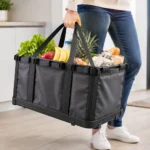
A bag carrier is useful when you have several thin-handle, rope-handle, or plastic bags that need to stay together. It gives the handles a larger surface to rest on, reducing the concentrated pressure that causes sore fingers and helping prevent handles from slipping apart. The BAGGLER® is designed for this everyday problem, holding multiple bag types in one organized grip with a rated capacity of up to 54 pounds.
Keep your arm close to your side while walking, rather than holding a heavy load away from your body. This reduces strain on the wrist and shoulder. If you have hand, wrist, or grip discomfort, choose smaller loads and make an extra trip instead of forcing your hands to manage more than they comfortably can.
Watch Doorways, Stairs, and Keys
A secure load can still become a problem at the front door. Before you leave the car, make sure your keys are accessible. Digging through a pocket while bags pull at your hands is a common way to lose control of handles.
At stairs, keep one hand free for the railing when possible. If that means taking two trips, take two trips. Bags with bottles, glass jars, or cleaning supplies deserve extra caution on steps because a fall can create a safety hazard as well as a mess.
When opening a door, set bags down rather than balancing them against your leg while you search for the lock. It takes a moment, but it protects fragile items and keeps bag handles from snagging on door hardware.
Build a Simple Bag-Securing Routine
The best system is the one you will actually use every week. Keep reusable bags where you will remember them, check handles before loading, place heavy items low, and brace bags in the car before driving away. Then carry only what you can control comfortably.
Shopping bags do not need to be complicated, but they do need a little planning. A balanced load, an organized vehicle, and a comfortable way to hold multiple handles can turn the trip from checkout to kitchen into the easy part of shopping.
 Previous Post
 Next Post