
Shopping Accessories That Make Every Trip Easier
A grocery run can turn frustrating in the final 30 feet. Thin plastic handles cut into your fingers, reusable bags slide off your wrist, and one loose item threatens to fall before you reach the door. The best shopping accessories are not novelty add-ons. They are practical tools that make the part after checkout easier: carrying, organizing, and getting everything home in one piece.
For busy shoppers, parents, commuters, and anyone who deals with hand, wrist, or grip discomfort, small improvements matter. The right accessory can reduce strain, prevent tangled handles, and help you make fewer trips between the car and the house. That is a better standard than buying another gadget that ends up in a drawer.
What Useful Shopping Accessories Actually Do
A useful shopping accessory earns its space by fixing a repeat problem. It should be simple enough to use without instructions, compact enough to keep in the car or purse, and durable enough for regular loads. If it adds another complicated step to shopping, it is probably not making the routine better.
The most valuable accessories usually support one of three jobs: carrying bags comfortably, keeping purchases organized, or reducing waste from single-use bags. Some products can do all three, but it is worth being clear about which frustration you want to solve first.
For example, insulated bags are helpful when you have a longer drive with cold groceries. Cart organizers can help keep delicate purchases upright. Reusable bags reduce dependence on disposable bags. But if your biggest problem is the painful, awkward walk from the car to the kitchen, a bag carrier is likely to make a more immediate difference.
Start With the Carry From Store to Door
Most shopping bags are designed for the store checkout line, not for your hands. Thin handles concentrate the weight in a small area. Rope handles can bunch together. Plastic bags stretch and twist. Even a moderate load can become uncomfortable when the pressure lands on your fingers instead of being spread across your hand.
That is why carrying accessories deserve more attention than they usually get. A well-designed bag carrier gathers multiple handles in one secure place, keeps bags from slipping apart, and gives you a more comfortable grip. Instead of juggling individual handles, you can carry a grouped load with better control.
The BAGGLER® was designed for exactly this everyday problem. Its patented shape holds thin-handle, rope-handle, and plastic shopping bags together while providing a larger, more ergonomic handhold. With a carrying capacity of up to 54 pounds, it is built for real grocery loads, not just a light retail bag or two.
Capacity is not the only thing that matters, though. A carrier should also feel balanced in your hand and keep bag handles contained as you walk. When handles stay grouped, there is less chance of a bag swinging into your leg, sliding off your fingers, or dropping on the driveway.
Look for Comfort, Control, and Compatibility
When comparing bag carriers, examine the actual points of contact. Is the grip broad enough to reduce pressure on your hand? Can the tool hold several types of bag handles? Does it keep bags organized rather than simply moving the same strain to a different spot?
Compatibility matters because shoppers use a mix of bags. You may leave one store with reusable totes, stop at another for a small handled bag, and pick up groceries in plastic bags. A carrying tool that only works with one handle style can create another inconvenience. A versatile design works with the bags already in your life.
Material matters, too. Shopping tools take abuse in trunks, garages, and kitchen drawers. Choose accessories made for repeated use, with a solid feel and straightforward care. Dishwasher-safe construction is especially useful for a bag carrier, since grocery bags and car storage can get messy.
Reusable Bags Work Better as a System
Reusable bags are among the most practical shopping accessories, but only when they are easy to remember, carry, and clean. A pile of loose totes in the back seat may be environmentally responsible in theory, yet it does not help much if you forget them at checkout.
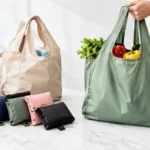
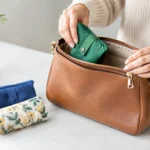
A foldable bag system with its own pouch solves that issue. Keep it where you need it: in the car, by the front door, in a work bag, or near your keys. When the bags pack down neatly, they are more likely to come with you. When they are washable, they are easier to use for groceries, pharmacy purchases, beach supplies, and everyday errands.
Size variety is also useful. A few large bags can handle pantry staples, paper goods, and bulky items, while smaller bags are better for produce, quick store stops, or separating fragile purchases. The goal is not to carry every item in one oversized tote. It is to distribute weight in a way that is manageable and secure.
Pairing reusable bags with a bag carrier creates a simpler routine. The bags hold the purchases, and the carrier manages the handles. This helps prevent a common problem with reusable totes: having several sturdy bags that are still awkward to carry all at once.
Choose Accessories Based on Your Routine
There is no single best setup for every shopper. Someone who walks up apartment stairs has different needs from someone who loads groceries directly from a driveway. A parent managing children and bags may prioritize hands-free organization before leaving the store. An older adult or someone with arthritis may put grip comfort at the top of the list.
Think about your usual shopping pattern. If you make frequent small trips, compact foldable bags may be the priority. If you make one larger weekly grocery run, carrying comfort and load management are likely more valuable. If your groceries sit in the car for an extended time, insulated storage may be worth adding.
Avoid buying accessories just because they sound convenient. A trunk organizer is useful if loose items regularly roll around in your vehicle. It is less useful if your real issue is bags cutting into your hands. Solve the frustration that happens most often, then add other tools only if they support the same routine.
A Practical Shopping Setup
A dependable setup does not need to be complicated. Keep reusable bags packed in a pouch or designated car spot. Use a bag carrier for the walk from cart to car and car to home. For cold or frozen items, add an insulated bag when the trip requires it.
This approach keeps each tool focused on a job. Reusable bags reduce disposable bag use. An insulated bag protects temperature-sensitive purchases. A carrier reduces the stress of managing multiple handles. Together, they make checkout and unloading feel more organized without turning a normal errand into a system to maintain.
Small Design Details Make a Real Difference
The best everyday products often solve problems people have learned to tolerate. Sore fingers after grocery shopping may seem minor, until it happens week after week. A dropped bag might be a small inconvenience, until it contains eggs, a glass jar, or a dinner you needed to get on the table quickly.
That is why design details deserve attention. A wider grip changes how weight feels in your hand. A secure shape changes how bags move while you walk. A compact tool changes whether you actually keep it nearby. These are not flashy benefits, but they are the ones that improve a routine over time.
Made in Maine, The BAGGLER reflects that practical standard: build a straightforward tool for a recurring problem, make it durable, and make sure it works when your hands are full. It is a simple idea, but simple ideas are often the ones people use most.
The next time you are choosing shopping accessories, start with the moment that causes the most hassle. If you can make that one moment easier, every trip to the store starts paying you back before you even get through the front door.
 Previous Post
 Next Post